How to Choose Upholstery Fabric for Every Room
Share
Understanding Fabric Weight and Durability
The foundation of selecting appropriate upholstery fabric lies in comprehending the intricate relationship between fabric weight and its anticipated longevity. Measured in grams per square metre (GSM), fabric weight directly correlates with durability and performance characteristics. Heavy-weight fabrics, typically ranging from 400-600 GSM, demonstrate superior resilience against abrasion and maintain their structural integrity under frequent use.
Professional upholsterers often reference the Martindale rub test, which quantifies a fabric's resistance to wear through circular rubbing motions. For high-traffic furniture pieces, fabrics should withstand a minimum of 25,000 rubs, whilst moderate-use items can accommodate materials with lower ratings. Understanding these technical specifications empowers you to make informed decisions based on your specific usage requirements.
Weave construction significantly influences durability beyond mere weight considerations. Tight weaves, such as gabardine or canvas, offer exceptional longevity compared to looser constructions like hopsack or bouclé textures. However, aesthetic preferences must be balanced against practical requirements when evaluating these technical characteristics.
Assessing Fabric Performance Ratings
Contemporary upholstery fabrics undergo rigorous testing protocols to establish performance benchmarks. The double rub test, colour fastness evaluations, and pilling resistance assessments provide quantifiable metrics for comparison. Professional-grade fabrics typically display these ratings prominently, enabling informed selection based on empirical data rather than subjective impressions.
When examining performance specifications, consider the intended application carefully. Dining chairs require superior stain resistance, whilst occasional seating may prioritise aesthetic appeal over maximum durability. This nuanced approach ensures optimal fabric selection for each specific application.
Room-Specific Fabric Considerations
Each living space presents unique environmental challenges that influence fabric selection parameters. Understanding these micro-climatic conditions enables strategic material choices that enhance longevity whilst maintaining aesthetic coherence throughout your interior scheme.
Living Room Fabrics
The living room serves as the primary gathering space, demanding fabrics that balance comfort, durability, and visual appeal. Medium to heavy-weight fabrics excel in this environment, offering the resilience necessary for daily use whilst maintaining their appearance over extended periods. Natural fibres like linen and cotton provide breathability, whilst synthetic blends contribute enhanced stain resistance and colour retention.
Consider the room's exposure to natural light when selecting colours and fibre compositions. South-facing rooms require fabrics with superior fade resistance, whilst north-facing spaces can accommodate more delicate materials without significant deterioration concerns.
For those seeking contemporary texture and visual interest, bouclé fabrics represent an exceptional choice for living room upholstery. These distinctive looped-yarn constructions create captivating surface variations that complement both traditional and modern interior schemes. Bouclé's inherent texture helps camouflage minor wear patterns whilst adding sophisticated tactile appeal to your furniture pieces.
Bedroom Upholstery Selection
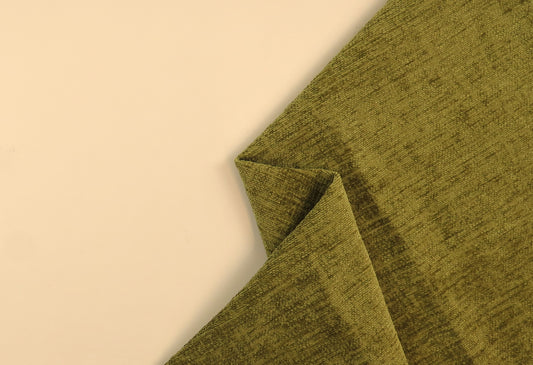
Bedroom environments typically experience lower traffic volumes, allowing for more delicate fabric choices that prioritise comfort and aesthetic refinement. Velvet, chenille, and lightweight linens perform excellently in these controlled conditions, offering luxurious tactile experiences without requiring maximum durability specifications.
Temperature regulation becomes paramount in sleeping environments. Natural fibres facilitate air circulation, preventing moisture accumulation that could compromise fabric integrity or create uncomfortable sleeping conditions. Breathable materials contribute significantly to overall comfort levels in upholstered headboards and seating elements.
Dining Room Durability Requirements
Dining areas present unique challenges, particularly regarding spill resistance and easy maintenance protocols. Tightly woven fabrics with protective treatments excel in these applications, offering both aesthetic appeal and practical functionality. Performance fabrics incorporating stain-resistant technologies provide peace of mind without compromising visual sophistication.
Consider fabrics with inherent antimicrobial properties for dining applications, particularly where young children frequently utilise the space. These advanced materials maintain hygiene standards whilst reducing maintenance requirements over time.
Colour and Pattern Coordination
Achieving harmonious colour relationships requires understanding fundamental design principles whilst considering practical maintenance implications. Colour psychology influences spatial perception, with lighter hues expanding visual boundaries and darker tones creating intimate atmospheres.
Pattern scale must complement room proportions appropriately. Large-scale patterns overwhelm compact spaces, whilst diminutive motifs may appear insignificant in expansive rooms. The golden ratio provides mathematical guidance for achieving visually pleasing proportional relationships between pattern elements and furniture dimensions.
"The key to successful upholstery selection lies in balancing personal preferences with practical requirements, creating spaces that remain beautiful and functional over time."
Coordinating Multiple Pieces
When upholstering multiple furniture pieces within a single space, establish a cohesive colour palette utilising the 60-30-10 rule. Dominant colours occupy 60% of the scheme, secondary hues comprise 30%, and accent colours provide 10% visual interest. This proportional approach ensures balanced, sophisticated results whilst allowing individual pieces to maintain their distinct character.
Texture variation prevents monotony when utilising similar colour schemes across multiple elements. Combining smooth and textured surfaces creates visual depth whilst maintaining colour harmony throughout the space.
Maintenance and Care Requirements
Understanding maintenance implications before fabric selection prevents future disappointment and preserves your investment over time. Different fibre compositions require specific care protocols, with some demanding professional cleaning whilst others accommodate standard home maintenance procedures.
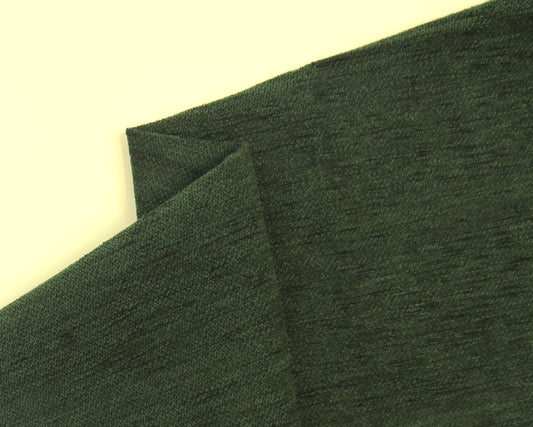
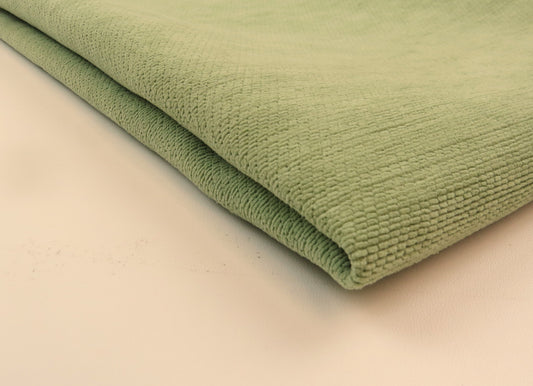
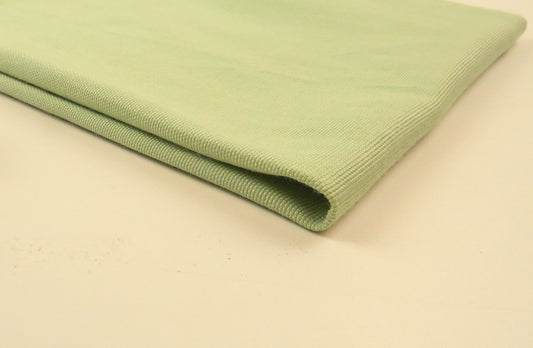
For those seeking low-maintenance solutions without compromising quality, the Forest Rain collection offers an outstanding balance of durability and easy care. This innovative fabric combines the luxurious appearance of natural fibres with advanced performance characteristics that resist staining and facilitate simple cleaning procedures. Its sophisticated sage green coloration complements diverse interior schemes whilst providing the resilience necessary for high-use applications.
Professional vs. Home Care Options
Evaluate your willingness to invest in professional cleaning services when selecting fabrics. Silk and wool typically require specialist attention, whilst cotton and synthetic blends often accommodate home cleaning methods successfully. Factor these ongoing costs into your initial selection criteria to avoid unexpected maintenance expenses.
Budget-Conscious Selection Strategies
Strategic fabric selection enables achievement of professional results whilst respecting budgetary constraints. Focus investment on high-use pieces whilst selecting more economical options for occasional furniture items.
| Priority Level | Furniture Type | Recommended Investment |
|---|---|---|
| High | Sofas, Dining Chairs | Premium Performance Fabrics |
| Medium | Armchairs, Ottomans | Mid-Range Quality Materials |
| Low | Occasional Seating | Budget-Friendly Options |
Common Fabric Selection Mistakes
Avoiding frequent pitfalls ensures successful upholstery outcomes. Prioritising appearance over functionality often results in premature fabric failure and costly re-upholstery requirements. Similarly, ignoring room-specific environmental factors leads to inappropriate material choices that underperform in their intended applications.
Insufficient sample evaluation represents another common oversight. Always order samples and evaluate them in your specific lighting conditions over several days before making final selections. Fabric appearance varies dramatically under different lighting scenarios, making thorough evaluation essential for satisfactory results.
Frequently Asked Questions
How do I determine the required yardage for my project? Yardage calculations depend on furniture dimensions, pattern repeats, and fabric width. Professional upholsterers can provide accurate estimates, but generally, a standard sofa requires 12-16 yards of fabric.
Can I mix different fabric types on the same piece? Yes, combining fabrics can create visual interest. Use complementary weights and care requirements, typically placing more durable fabrics on high-wear areas like seat cushions.
What's the difference between domestic and contract-grade fabrics? Contract-grade fabrics undergo more rigorous testing and typically offer superior durability ratings, making them suitable for commercial applications or high-traffic residential use.
Successful upholstery fabric selection requires balancing aesthetic preferences with practical considerations specific to each room's unique requirements. By understanding technical specifications, environmental factors, and maintenance implications, you can make informed decisions that enhance both the beauty and functionality of your furniture investments for years to come.