How to Calculate Fabric Requirements for DIY Furniture Projects
Share
Understanding Fabric Requirements Fundamentals
Calculating fabric requirements for furniture reupholstery represents one of the most crucial aspects of any DIY restoration project. Miscalculations can lead to costly material shortages, unnecessary waste, or incompatible fabric orientations that compromise the final aesthetic. Professional upholsterers develop an intuitive understanding of yardage calculations through years of experience, but DIY enthusiasts can achieve similar accuracy by mastering fundamental measurement principles.
The complexity of fabric calculation extends beyond simple surface area measurements. You must account for pattern matching, fabric direction, nap orientation, and structural allowances that ensure proper fit and professional appearance. Different furniture styles demand varying approaches—a Chesterfield sofa requires significantly different calculations than a simple dining chair due to tufting requirements and curved surfaces.
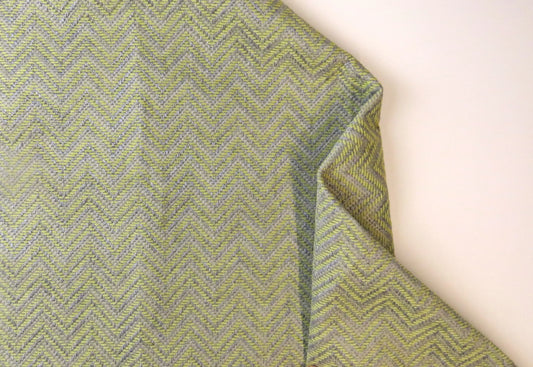
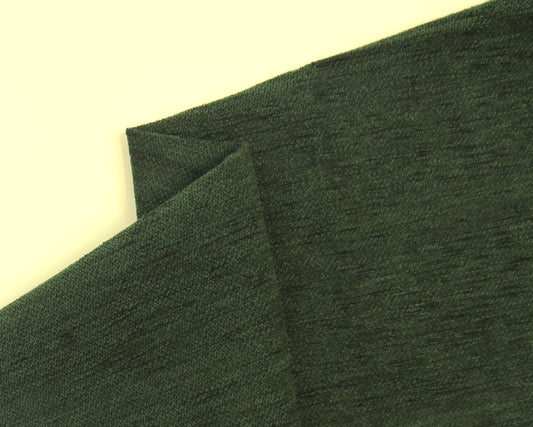
Contemporary upholstery fabrics often feature directional patterns, pile variations, or specific weave characteristics that influence cutting layouts. Understanding these nuances prevents the frustration of discovering insufficient material halfway through your project. Moreover, fabric wastage calculations should incorporate approximately 10-15% additional material for pattern matching and potential cutting errors.
Essential Tools for Accurate Measurement
Professional-grade measurement tools form the foundation of precise fabric calculations. A quality steel measuring tape with both metric and imperial markings provides versatility for different calculation preferences. Fabric scissors should remain dedicated exclusively to textile cutting to maintain sharp edges that prevent fraying during measurement verification.
Pattern paper or craft paper enables you to create templates for irregular surfaces, particularly valuable when working with curved chair backs or ornate furniture details. These templates serve as cutting guides and help visualize fabric placement before making irreversible cuts. Additionally, a fabric calculator or yardage conversion chart streamlines the process of converting measurements into purchasing quantities.
Digital tools and smartphone applications now offer sophisticated upholstery calculators that account for pattern repeats and fabric widths. However, manual calculation skills remain invaluable for verifying digital results and adapting to unique furniture configurations that standardized calculators cannot accommodate.
Measuring Tape Techniques
Proper measuring tape technique ensures consistent, accurate readings across all furniture surfaces. Always measure from the longest points of each surface, including any decorative elements or piping that requires fabric coverage. Maintain consistent tension on the tape without stretching the measuring surface or compressing cushions during measurement.
Record measurements in a systematic format that distinguishes between length, width, and depth dimensions. Professional upholsterers often use abbreviated notation systems that specify fabric orientation requirements alongside numerical measurements, preventing confusion during cutting phases.
Measuring Different Furniture Components
Each furniture component demands specific measurement approaches that account for construction methods and aesthetic requirements. Understanding these distinctions prevents common calculation errors that lead to material shortages or poor-fitting covers.
Chair Seats and Backs
Chair seats require measurements that extend beyond visible upholstered surfaces to include stapling allowances and padding accommodations. Measure from the widest point of the seat, typically near the front edge, and add 4-6 inches to both length and width dimensions for proper attachment. This additional fabric allows for tucking around seat edges and securing to the chair frame underneath.
Chair backs present unique challenges due to varying angles and decorative elements. Measure the visible back surface, then add allowances for wrapping around the frame and securing to rear attachment points. Curved or angled chair backs may require additional fabric to accommodate three-dimensional shaping without creating unwanted tension or puckering.
Sofa Cushions and Arms
Sofa cushions demand precise calculations to achieve professional appearances and proper fit. Measure cushion tops, bottoms, and all four sides separately, as dimensional variations are common in well-used furniture. Add seam allowances of approximately 0.5 inches to each edge, resulting in total additions of 1 inch to both length and width measurements.
Sofa arms often feature complex curves and varying widths that complicate fabric calculations. Measure the arm's exterior surface, interior surface, and top surface separately. Consider how these pieces will connect and whether the fabric pattern should flow continuously across joints for optimal visual appeal.
"The key to successful reupholstery lies not just in accurate measurements, but in understanding how fabric behaves around three-dimensional curves and corners. Each piece of furniture tells a story through its construction, and your fabric calculations must respect that narrative." - Traditional Upholstery Wisdom
Ottoman and Footstool Considerations
Ottomans and footstools typically require straightforward calculations, but decorative elements like button tufting or contrasting welting demand additional material considerations. Simple rectangular ottomans need top surface measurements plus side panel dimensions, with adequate allowances for corner gathering and bottom attachment.
Round or oval ottomans require different calculation approaches that account for circular cutting patterns and potential fabric waste. The diameter measurement becomes crucial for determining fabric layout efficiency, particularly with patterned materials that must maintain visual balance.
Pattern Matching and Fabric Direction
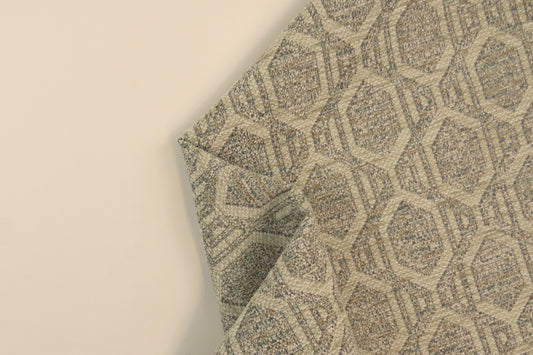
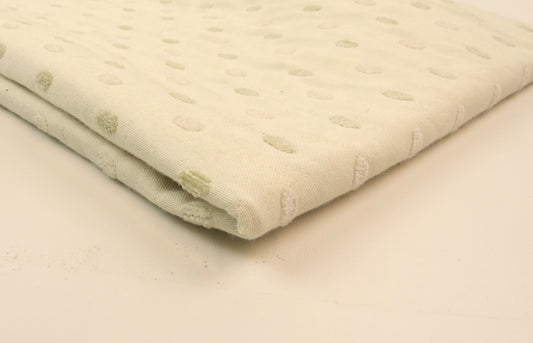
Pattern matching elevates DIY reupholstery from amateur to professional quality, but requires sophisticated planning and additional fabric allowances. Repeating patterns must align across visible surfaces, creating visual continuity that enhances the furniture's overall appearance. This alignment process often increases fabric requirements by 20-30% beyond basic coverage calculations.
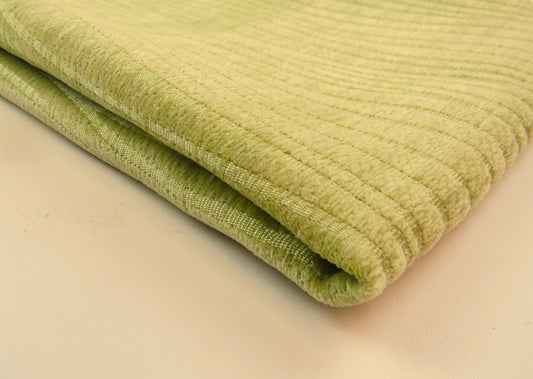
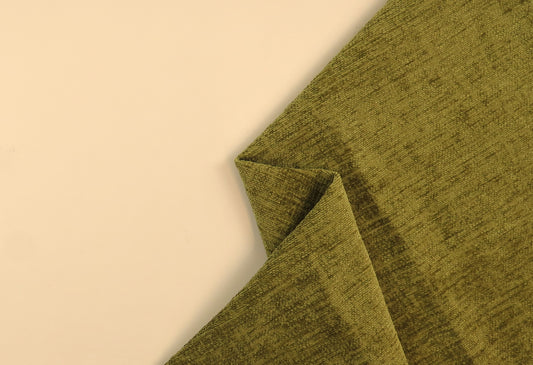
Fabric direction, or nap orientation, affects both visual appearance and tactile qualities of the finished piece. Velvet, corduroy, and other pile fabrics exhibit dramatically different characteristics depending on cutting direction. All pieces should maintain consistent nap orientation to prevent color variations caused by light reflection differences.
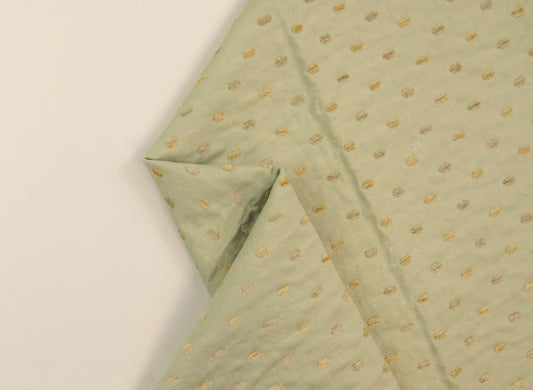
Directional patterns, such as florals with obvious top and bottom orientations, require careful planning to ensure appropriate positioning on each furniture component. Chair backs should display patterns in upright orientations, while seat cushions may accommodate different orientations based on the overall design scheme.
Fabric Width and Waste Calculations
Standard upholstery fabric widths range from 54 to 60 inches, significantly influencing cutting layouts and total yardage requirements. Wider fabrics often provide better efficiency for large furniture pieces, while narrower fabrics may necessitate additional seaming but offer greater flexibility for small components.
Waste calculations must account for irregular shapes, pattern matching requirements, and cutting inefficiencies inherent in furniture upholstery. Professional upholsterers typically calculate 15-20% waste factors for complex pieces, while simpler projects may require only 10% additional material.
| Furniture Type | Typical Fabric Width | Recommended Waste Factor | Pattern Matching Allowance |
|---|---|---|---|
| Dining Chair | 54-60 inches | 10-15% | 5-10% |
| Armchair | 54-60 inches | 15-20% | 10-15% |
| Two-seat Sofa | 54-60 inches | 20-25% | 15-20% |
| Three-seat Sofa | 54-60 inches | 25-30% | 20-25% |
Creating Cutting Diagrams
Cutting diagrams serve as roadmaps for efficient fabric utilization and help visualize the relationship between measurements and actual yardage requirements. These diagrams should include all furniture components drawn to scale, with clear indications of fabric direction and pattern placement.
Professional cutting diagrams incorporate seam allowances, pattern repeats, and nap direction indicators that guide the cutting process. Creating these diagrams before purchasing fabric helps identify potential layout challenges and refine yardage calculations for optimal efficiency.
Digital design software can streamline cutting diagram creation, allowing for easy modifications and multiple layout comparisons. However, traditional paper-and-pencil approaches often provide better tactile understanding of spatial relationships and cutting sequences.
Common Calculation Mistakes to Avoid
Underestimating seam allowances represents one of the most frequent calculation errors in DIY reupholstery projects. Each seam requires fabric extension beyond the finished dimension, and complex pieces may involve numerous seams that collectively demand significant additional material.
Failing to account for fabric stretch or shrinkage can compromise fit quality, particularly with knit or loosely woven fabrics. Pre-washing upholstery fabric helps stabilize dimensions, but calculations should still incorporate slight shrinkage allowances for natural fibers.
Ignoring furniture symmetry requirements often leads to awkward pattern placements or directional inconsistencies. Paired elements, such as chair arms or sofa cushions, should receive identical fabric treatments to maintain visual balance.
- Measuring compressed cushions instead of relaxed dimensions
- Forgetting to include piping or welting fabric requirements
- Miscalculating pattern repeat intervals
- Overlooking fabric directional requirements
- Inadequate allowances for curved or gathered sections
Ordering and Sample Considerations
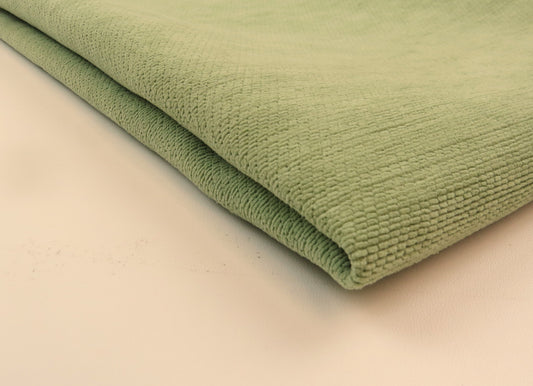
Sample evaluation prevents costly fabric selection errors and enables accurate color matching under various lighting conditions. Upholstery fabrics often appear significantly different in large applications compared to small samples, making generous sample sizes valuable for confident decision-making.
Ordering strategies should account for dye lot variations that can affect large fabric purchases. When possible, order the complete yardage requirement from a single dye lot to ensure color consistency across all furniture components. Professional suppliers often reserve fabric from specific dye lots for customers completing large projects.
Lead times for specialty fabrics or custom orders may extend several weeks, requiring project planning that accommodates delivery schedules. Ordering fabric early in the project timeline provides flexibility for addressing any specification discrepancies or quality concerns before beginning upholstery work.